

As an avid traveler, I've learned that unpredictable weather is part of the journey. That's why a reliable travel rain jacket isn't just gear; it's peace of mind. Join me as I share my firsthand experiences, practical tips, and deep dive into choosing the perfect waterproof companion for your global adventures, ensuring you stay dry and comfortable no matter what the skies throw your way.
1. Why a Travel Rain Jacket is Non-Negotiable for Every Explorer
Picture this: You’ve just landed in a vibrant new city, excited to explore its historic cobblestone streets, and then, without warning, the skies open up. Or perhaps you’re halfway up a breathtaking mountain trail, miles from shelter, when a sudden downpour hits. In scenarios like these, a reliable travel rain jacket isn't just a nice-to-have; it's an absolute necessity. I've learned this lesson the hard way, shivering through a soaked trek in the Scottish Highlands and later, enduring a miserable evening exploring Tokyo when an unexpected typhoon rolled in. These experiences cemented my belief that a high-quality rain shell is paramount for stress-free exploration.
Over years of backpacking across continents, from the misty rainforests of Costa Rica to the drizzly charm of the Pacific Northwest, my travel rain jacket has consistently proven its worth. It’s more than just a piece of clothing; it's a shield that keeps you comfortable, your electronics safe, and your spirits high, allowing you to embrace every moment of your adventure, rain or shine. In my experience, investing in a high-quality, packable rain jacket is one of the smartest decisions any traveler can make, transforming potential misery into a mere minor inconvenience.
What makes a good travel rain jacket different from your everyday rain gear? It boils down to a few critical factors: weight, packability, and performance. You need something that won't weigh down your luggage, can compress into a tiny space, and still offer robust protection against the elements without compromising on breathability. This guide will delve into all these aspects, drawing on my personal adventures and extensive research to help you find your perfect match, ensuring you're prepared for anything from a light drizzle to a full-blown storm.
2. Decoding Waterproofing: What Do the Numbers Mean?
When you start looking for a travel rain jacket, you'll inevitably encounter terms like "waterproof rating" and "hydrostatic head." It can be a bit overwhelming, but understanding these technical details is crucial to making an informed choice. I remember my first budget rain jacket; it claimed to be "water-resistant," which I naively assumed meant "waterproof." A surprise downpour in Vietnam quickly disabused me of that notion – I was soaked to the bone! The distinction between water-resistant and truly waterproof is vast, and knowing the difference can literally save your trip.
Water-resistant jackets typically have a DWR (Durable Water Repellent) coating, which makes water bead up and roll off. They can handle light drizzles or very brief showers. However, sustained rain or heavy pressure (like sitting on a wet bench, or wearing a heavy backpack) will eventually penetrate the fabric. On the other hand, waterproof jackets use a membrane (like GORE-TEX, Pertex Shield, FutureLight, or proprietary brand technologies) laminated to the fabric, which prevents water from passing through. Crucially, they also feature fully taped seams, often overlooked, to ensure no water seeps in through the stitching, which is a common point of failure for lesser jackets.
Waterproof ratings are measured in millimeters (mm) and represent the height of a column of water the fabric can withstand before water begins to seep through. Here’s a quick guide based on what I’ve learned from countless hours researching and testing gear:
- 0-5,000mm: Light rain, dry snow, no pressure. This is typically considered water-resistant or minimally waterproof. Suitable for very short, light showers.
- 5,000-10,000mm: Light to moderate rain, average snow, light pressure. Good for casual use, short commutes, or brief showers in mild conditions.
- 10,000-15,000mm: Moderate to heavy rain, wet snow, moderate pressure. This is where a good travel rain jacket starts to shine for most destinations, offering reliable protection in significant rainfall.
- 15,000-20,000mm+: Heavy rain, wet snow, high pressure. Excellent for sustained downpours, extreme conditions, and prolonged exposure, often found in mountaineering or serious backpacking shells.
- 20,000mm+ with GORE-TEX Pro/Active: Often implies the highest level of waterproofness combined with enhanced breathability for professional or extreme use.
For a reliable travel rain jacket that can handle varied climates and unexpected deluges, I personally aim for at least 10,000mm. This offers a great balance of protection without making the jacket overly bulky or prohibitively expensive. Remember, even the most waterproof membrane is useless if its seams aren't fully taped or if the DWR coating is completely worn out!
3. Breathability: The Key to Comfort in Any Downpour
What’s worse than getting wet from the rain? Getting wet from your own sweat inside your "waterproof" jacket! This is where breathability comes into play, and it’s a feature I absolutely prioritize in any travel rain jacket I choose. A truly effective jacket won't just keep the rain out; it'll also allow your body's moisture vapor (sweat) to escape, preventing that clammy, uncomfortable feeling that can quickly lead to chilling, even in warm weather. I once made the mistake of wearing a non-breathable jacket on a surprisingly humid day in Prague, and I felt like I was cooking inside a plastic bag!
Breathability is often measured in grams (g) or by a Resistance to Evaporative Heat Transfer (RET) rating. Lower numbers are better for both:
- MVTR (Moisture Vapor Transmission Rate - g/m²/24hr): This indicates how many grams of water vapor can pass through a square meter of fabric in 24 hours.
- Less than 10,000 g/m²/24hr: Low breathability, suitable for very light activity. You'll likely feel clammy quickly with any exertion.
- 10,000-15,000 g/m²/24hr: Moderate breathability, good for walking or light hiking. A decent baseline for general travel.
- 15,000-20,000 g/m²/24hr: Good breathability, suitable for active pursuits like brisk walking, cycling, or moderate hiking. This is where comfort truly begins.
- 20,000 g/m²/24hr and above: Excellent breathability, ideal for high-exertion activities such as trail running or fast-paced hiking. Jackets with this rating are often premium and utilize advanced membrane technologies.
- RET (Resistance to Evaporative Heat Transfer): This measures the fabric’s resistance to water vapor passage. Lower RET values mean higher breathability.
- RET < 6: Very breathable (e.g., highly active use, GORE-TEX Pro). You barely notice you're wearing a waterproof layer.
- RET 6-13: Breathable (e.g., active use, GORE-TEX Performance). Comfortable for most active travelers.
- RET 13-20: Moderately breathable (e.g., casual use). Acceptable for short bursts of activity.
- RET > 20: Not very breathable (e.g., basic rainwear). Best for static use or very light activity.
For general travel, especially if you'll be doing a lot of walking or light hiking, I recommend a travel rain jacket with an MVTR of at least 15,000 g/m²/24hr or an RET below 10. Fabrics like GORE-TEX Paclite or Pertex Shield are excellent for this, offering a good balance of waterproofness and breathability in a lightweight package. Some jackets also incorporate mechanical ventilation features like pit zips (zippers under the armpits) which are incredibly effective for dumping excess heat and moisture during strenuous activity. Don't underestimate the power of these simple vents to dramatically improve your comfort. Investing in a truly breathable jacket is a game-changer for humid climates or active trips. For men, finding the best raincoat for men often involves balancing these technical specs with desired fit and features.
*As an Amazon Associate, I earn from qualifying purchases. This link is to an example GORE-TEX jacket from a reputable brand.
4. Packability & Weight: Your Backpack's Best Friend
When you're constantly on the move, whether it's hopping between European cities or trekking through remote wilderness, every ounce and every inch in your luggage counts. This is especially true for a travel rain jacket. The beauty of modern outdoor gear is its incredible ability to compress into tiny packages without compromising performance. I've seen firsthand how a bulky, heavy rain jacket can quickly become a nuisance, taking up valuable space that could be used for souvenirs, an extra pair of shoes, or another essential layer. My ideal travel companion weighs under a pound and can disappear into a corner of my daypack or even its own pocket.
Look for jackets made with lightweight materials and minimalist designs. Three-layer (3L) jackets offer superb durability and protection but can be a bit heavier and less packable. 2.5-layer jackets, often utilizing technologies like GORE-TEX Paclite or proprietary membranes such as Marmot's NanoPro or Patagonia's H2No, strike an excellent balance between waterproofness, breathability, and packability. They are typically lighter and can stuff into their own pocket or a small stuff sack, often reducing to the size of a large grapefruit or a small water bottle. This compact size makes them incredibly convenient to carry, ensuring you’re always prepared for sudden weather changes.

The practical benefits of a lightweight, packable travel rain jacket are immense:
- Less Luggage Weight: Essential for avoiding airline baggage fees (especially on budget carriers) and making long travel days, bus transfers, and walking through airports or train stations much more comfortable.
- Space Saving: Leaves more room in your backpack or suitcase for other essentials, or simply allows you to travel with a smaller bag altogether.
- Always Accessible: A small, lightweight jacket is easy to toss into a daypack, clip to a belt loop, or stash in a purse, meaning you're never caught off guard by a sudden shower. I once underestimated the possibility of rain during a desert hike in Jordan, only for a freak storm to roll in. My ultralight rain shell, which I almost left behind because "it's a desert!", saved the day from discomfort and potential illness!
- Versatility: Can be easily layered over a fleece or insulated jacket in colder climates without adding bulk or restricting movement. For instance, pairing a lightweight rain shell with a good women's insulated rain jacket for colder destinations is a game-changer, offering adaptable protection.
When selecting your travel rain jacket, always check the listed weight and dimensions when packed. Some brands excel at this, engineering jackets specifically for minimalist travel. My personal preference leans towards jackets that can compress into their own hand pocket or hood, making them a truly seamless and indispensable part of my travel kit, ready at a moment's notice.
5. Essential Features of a Great Travel Rain Jacket
Beyond the core elements of waterproofing, breathability, and packability, a great travel rain jacket boasts several thoughtful features that enhance comfort, functionality, and overall user experience. Based on countless hours in the field—from navigating urban jungles in downpours to enduring alpine squalls—here are the details I always scrutinize when evaluating a jacket:
5.1. The Hood: Your First Line of Defense and Vision Keeper
A good hood is paramount, often the difference between a tolerable rainy day and a miserable one. It should be:
- Highly Adjustable: Look for drawcords around the face and a toggle at the back of the head. This allows you to cinch it down securely in high winds, preventing it from blowing off, while still maintaining peripheral vision.
- Stiff Brim: A slight wire or laminated brim (often called a "peak") is crucial for keeping rain off your face, preventing water from dripping directly onto your glasses, and helping the hood maintain its shape in gusty conditions.
- Integrated: While some jackets offer detachable hoods, an integrated hood is generally more reliable and less likely to leak around the attachment points, providing continuous protection.
- Helmet-Compatible (Optional): If your travel involves cycling, climbing, or skiing, ensure the hood is generous enough to fit comfortably over a helmet without feeling restrictive.
5.2. Zippers: The Unsung Heroes of Waterproofing
Don’t overlook the zippers! All external zippers, especially the main front zipper and pocket zippers, should be water-resistant or waterproof. This is achieved either by a DWR-coated coil, a laminated flap, or a storm flap covering the zipper. I've had experiences where the jacket fabric held up perfectly, but water seeped right through cheap, exposed zippers, drenching my phone or passport in the pocket. It's a small detail that makes a huge difference in practical use and protecting your valuables. For those venturing into truly extreme weather, perhaps even consider specific best golf rain gear that features specialized waterproof zippers designed for maximum protection during intense activity.
5.3. Pockets: Strategically Placed and Secure
For travel, I prefer jackets with at least two hand pockets, ideally positioned high enough that they remain accessible even when wearing a backpack hip belt or climbing harness. An internal chest pocket is a bonus for highly valuable or sensitive items like a passport, wallet, or smartphone, offering an extra layer of protection from both rain and pickpockets. Make sure these pockets have water-resistant zippers or storm flaps to keep contents dry. A jacket like the best lightweight waterproof jacket often balances minimal design with essential, well-sealed pocketing.
5.4. Cuffs and Hem Adjustments: Sealing Out the Elements
Adjustable cuffs (velcro tabs, elastic, or snap closures are common) are vital. They prevent water from running down your arms when you raise them and help seal in warmth, or allow for ventilation when loosened. A drawcord hem allows you to cinch the bottom of the jacket, keeping wind and rain out, and preventing the jacket from riding up when you're moving vigorously or wearing a backpack. This level of adjustability is crucial for maintaining comfort and protection in varying conditions and activities.
5.5. Fit and Layering: Movement Without Restriction
Consider the fit carefully. A travel rain jacket should be roomy enough to wear comfortably over a mid-layer (like a fleece or lightweight down jacket) without feeling restrictive or hindering your movement. However, it shouldn't be so baggy that it flaps excessively in the wind, which can be noisy and allow rain to seep in. Look for articulated elbows and shoulders that allow for a full range of motion, which is crucial for activities like hiking, cycling, or simply carrying luggage. For instance, if you're specifically looking for a north face women's waterproof jacket you'll find many designs optimized for layering and ergonomic comfort.
5.6. Durability: Built to Last on the Road
While ultralight jackets sacrifice some durability for weight savings, a good travel rain jacket should still be reasonably robust. Look for ripstop nylon or polyester fabrics. Denier (D) ratings indicate fabric thickness – a higher denier means more durability but also more weight. For general travel, a 20-40D fabric is usually sufficient. If you’re bushwhacking, regularly carrying heavy packs, or engaging in more aggressive outdoor activities, you might want something tougher, like a 70D or higher, but be prepared for a slight increase in weight and packed size.

Here’s a video demonstrating how effective a good rain jacket can be in various conditions, showcasing its functionality:
6. My Personal Journey: Lessons Learned from Traveling in the Rain
My relationship with the travel rain jacket has evolved over many years and many trips, marked by a series of revelations and occasional soggy regrets. It started with a cheap, disposable poncho I bought at a convenience store in Venice when an unexpected autumn downpour struck. It promptly ripped in a slight breeze and offered about as much protection as a wet paper bag. That was my first, albeit uncomfortable, lesson: true waterproofing and durability are absolutely worth paying for.
Then came the succession of 'water-resistant' jackets that promised much but delivered little. One particularly memorable incident occurred on a seemingly innocuous day hiking a mountain pass in the Peruvian Andes. The skies, previously clear, turned dark in minutes. My jacket, boasting a modest 5,000mm rating, quickly succumbed. I was shivering, miserable, and utterly soaked to the bone. Second lesson: understand the critical difference between water-resistant and truly waterproof, especially when altitude and exposure amplify the effects of moisture and cold. That experience taught me to scrutinize technical specs like a hawk.
One of my most cherished gear memories involves hiking the West Highland Way in Scotland. The weather there is legendary for its capriciousness – you can experience all four seasons in a single hour. One moment, I was basking in a glorious patch of sunshine, the next, horizontal rain was lashing against me, driven by fierce winds. My Montbell Versalite, an ultralight marvel, became my second skin. It packed down to nothing, weighed next to nothing, and, most importantly, kept me absolutely dry, even through hours of relentless drizzle. The pit zips were a lifesaver for managing humidity during uphill climbs, preventing that clammy feeling. It allowed me to focus on the stunning, rugged scenery rather than my discomfort or the growing chill in my bones. This particular travel rain jacket truly earned its place in my hall of fame.
Another crucial lesson in breathability came during a cycling tour across Ireland. My first rain jacket for that trip, a bulky, non-breathable model, turned into a sweatbox within minutes of exertion. I was dry from the outside but soaked from the inside, which, I quickly realized, is almost worse! Switching to a highly breathable GORE-TEX Paclite jacket made an enormous difference. The ability to shed internal moisture while repelling external rain completely changed my perception of what a rain jacket could do for active travel. It also highlighted the importance of a good hood that stays put during high winds and adjustable cuffs to keep water from seeping up my arms while riding.
Through all these experiences, I've learned that the best travel rain jacket for *me* is often one that balances ultralight design with robust waterproofing and excellent breathability. It’s about being prepared without being burdened. It’s about trust – trusting that your gear will perform when you need it most, whether you're navigating urban streets or remote trails. And crucially, it's about checking forecasts, even when traveling to famously sunny places, and always expecting the unexpected. A good rain jacket is an investment in comfort, safety, and the uninterrupted enjoyment of your travels.
7. Seasonal & Local Insights: When and Where to Expect Rain
Understanding regional weather patterns can significantly influence your choice of travel rain jacket. It's not just about "is it going to rain?" but how is it going to rain?" and "what kind of conditions will accompany that rain?". My travels have taught me that a jacket perfect for a misty European spring might be totally inadequate for a tropical monsoon.
7.1. Tropical Destinations (Southeast Asia, Central America, Caribbean):
Expect heavy, often sudden, and short-lived downpours during monsoon seasons. The challenge here is not just waterproofing, but also intense heat and humidity. You’ll need a highly breathable travel rain jacket to avoid feeling like you’re in a sauna. Look for jackets with high MVTR ratings, pit zips, and mesh-lined pockets for maximum ventilation. Quick-drying fabrics are also a plus, as everything tends to get damp. I vividly recall navigating a bustling market in Chiang Mai during a monsoon deluge; my lightweight, highly breathable jacket and waterproof sling bag saved my day from complete saturation and protected my camera gear!
7.2. Temperate Zones (Europe, North America, Oceania):
Weather can be highly unpredictable across these regions. Europe, for instance, is famous for its fickle climate – one minute sunny, the next a persistent drizzle that seems to settle into your bones. A versatile, mid-range waterproof and breathable jacket is ideal here. It will serve not only as rain protection but also as an excellent windbreaker and a light insulating layer when worn over a fleece on cooler days. For more specific insights on European travel, consider how a best raincoat for men might differ from a general travel jacket, often leaning towards slightly more robust yet still stylish options for urban environments.
7.3. Mountainous Regions (Patagonia, Himalayas, Rockies):
Here, you're dealing with rapid and extreme weather changes, potentially encompassing heavy rain, snow, and incredibly strong winds. You'll need a more robust, highly waterproof travel rain jacket, often a 3-layer GORE-TEX Pro or equivalent, with a very high hydrostatic head rating. Durability is also key if you're scrambling over rocks, brushing against rough terrain, or regularly carrying heavy packs. A helmet-compatible, highly adjustable hood is a non-negotiable feature for safety and comfort in these environments. The best running rain jacket for these environments often prioritizes protection and freedom of movement, but a full-on mountain shell offers more robust protection.
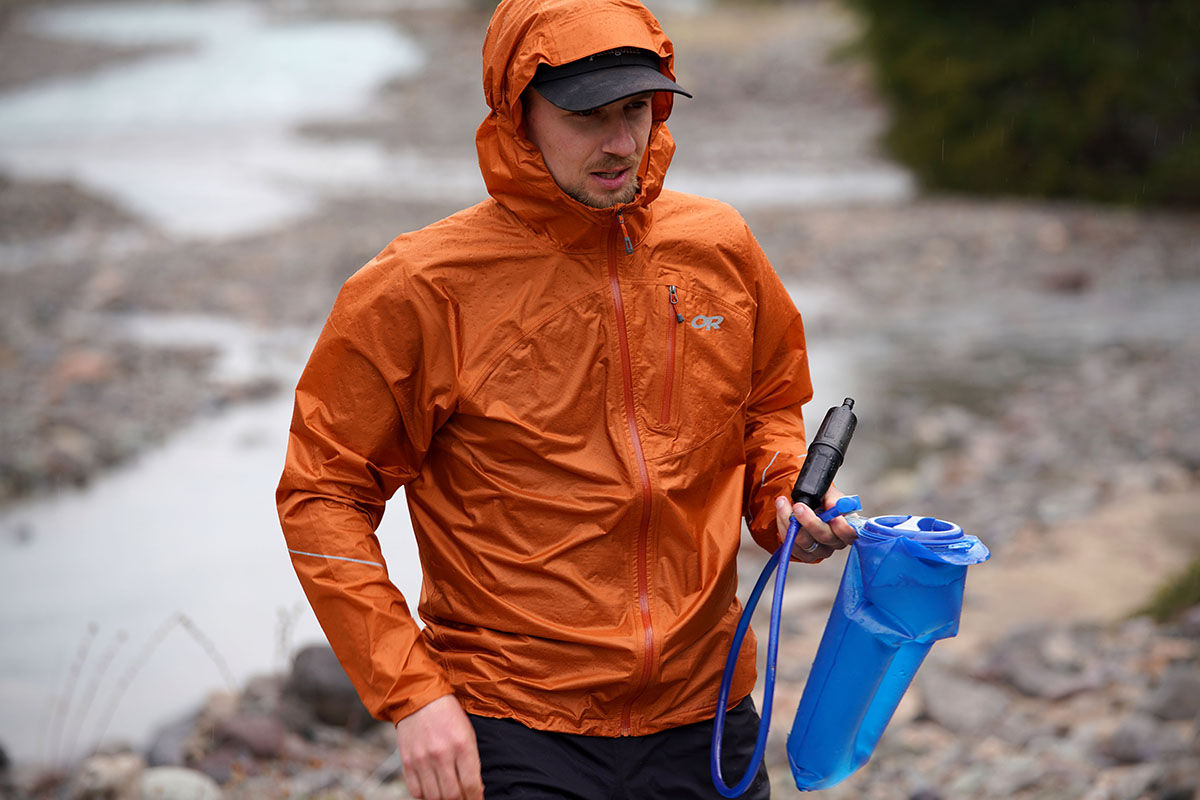
7.4. Coastal Areas & Cruises:
In coastal environments, wind is often as significant a factor as rain, sometimes even more so. A jacket that effectively blocks wind and has a good, adjustable hood is crucial to prevent chilling. Even on cruises to sunny destinations, the open deck can be surprisingly breezy, and occasional sea spray or unexpected squalls make a packable rain jacket indispensable. A park ranger I spoke with in Acadia National Park once told me, "On the coast, the weather changes with the tide. Always have your outer shell, even if it looks like a perfect day." That practical advice stuck with me as a golden rule for all coastal adventures.
By considering your destination's typical weather, its specific microclimates, and the type of activities you'll be doing, you can fine-tune your search for the perfect travel rain jacket. For example, a heavy-duty best golf rain pants might be overkill for a casual city trip, but absolutely essential for staying comfortable on the green in persistent rain.
8. What Other Travelers Are Saying: User Review Summaries
Before making any significant gear purchase, I always scour user reviews across various platforms like Amazon, Reddit, and dedicated outdoor gear forums (like those on Quora). This offers invaluable real-world perspective beyond official specifications and marketing claims. Here's a synthesis of what I often find concerning popular travel rain jacket models, giving you a balanced view:
Review 1 (Amazon - from a hiker who values weight):
I bought the [Brand X] ultralight jacket for a backpacking trip through Scotland, and it was a lifesaver! It truly is incredibly lightweight and packs down to nothing, fitting easily into my daypack. The waterproofing held up beautifully through several hours of constant rain on the West Highland Way. My only minor complaint is that the hood, while adjustable, sometimes felt a little flimsy and struggled to stay put in really strong, gusty winds. But for its weight and price, it absolutely exceeded my expectations. I also appreciated the generously sized, zippered pockets for keeping my phone and map dry and accessible.
My Take: This aligns perfectly with the common trade-off – ultralight often means slightly less robust features, particularly in areas like hood structure. Good for most fast-and-light travel, but perhaps not for extreme conditions where a super-sturdy, helmet-compatible hood is critical. It reinforces that a good travel rain jacket prioritizes packability without fully sacrificing protection.
Review 2 (Reddit - r/onebag traveler focusing on minimalist packing):
Just got back from a month in Southeast Asia, and my [Brand Y] 2.5L rain jacket was clutch. The breathability was key – I never felt sticky or overheated during tropical downpours, thanks to the ample pit zips. It dried surprisingly fast too, which is crucial when you're hand-washing gear. It's not the most stylish jacket, with a bit of a crinkly texture, but it certainly gets the job done for travel where utility and minimalist packing are paramount. The internal pocket was also a nice touch for keeping my passport and emergency cash dry and secure.
My Take: This review highlights the critical importance of breathability in humid climates and the immense value of specific features like pit zips for comfort. It also confirms that sometimes function over fashion is the wise choice for serious one-bag travelers. The "crinkly texture" is a common characteristic of some ultralight, durable fabrics, a minor trade-off for excellent performance in a travel rain jacket.
Review 3 (Quora - casual Europe trip with a focus on urban exploration):
I debated whether to bring a rain jacket for my trip to Italy and France in the spring, thinking it might be too much. I am so glad I did! My [Brand Z] jacket was perfect for those unexpected afternoon showers in Rome and misty mornings in Paris. It's stylish enough that I didn't feel out of place in cafes or museums, but still kept me perfectly dry. It packs into its own pocket which was super convenient for tossing into my tote bag before heading out for the day. The only slight drawback was that in a truly heavy, sustained downpour, the DWR eventually wetted out, but the underlying membrane still kept me dry inside. A quick re-spray when I got home fixed it.
My Take: This perspective emphasizes the need for a rain jacket even in seemingly "sunny" destinations and the balance between style and performance for urban travel. The DWR wetting out is common with prolonged exposure and is not a sign of failure if the underlying waterproof membrane holds. It also reinforces the ease of re-applying DWR. For many, a travel rain jacket needs to blend seamlessly into their travel wardrobe, making aesthetics a key factor.
These user reviews consistently underscore the importance of aligning your jacket's features with your specific travel style and destination. Sometimes, the best raincoats are those that offer a thoughtful blend of aesthetic and practical features, tailored to real-world travel scenarios.
9. Caring for Your Travel Rain Jacket: Longevity Tips
To ensure your travel rain jacket continues to perform trip after trip, keeping you dry and comfortable for years, proper care is absolutely essential. I've learned that neglecting this can severely impact its waterproofing and breathability, gradually turning a reliable shield into a damp disappointment. Modern technical fabrics are fantastic, but they do require a little TLC. Here’s my routine, built on advice from outdoor gear experts and my own trial and error over many seasons:
9.1. Cleaning Your Jacket: Don't Be Afraid to Wash It!
Contrary to popular belief, you should wash your rain jacket! Dirt, sweat, body oils, sunscreen, and bug spray can all clog the microscopic pores of the waterproof membrane and diminish the effectiveness of the DWR coating. I aim to wash mine after every 5-10 uses, or whenever it looks visibly dirty, starts "wetting out" (fabric absorbing water instead of beading it up), or feels clammy inside.
- Prepare: Close all zippers and hook-and-loop fasteners (velcro). Loosen all drawcords.
- Use Proper Detergent: This is crucial. Avoid conventional laundry detergents, as they can leave residues that are difficult to rinse out and can harm the waterproof membrane and DWR. Instead, use a technical wash specifically designed for waterproof breathable fabrics, such as Nikwax Tech Wash or Granger's Performance Wash.
- Machine Wash (Gentle Cycle): Wash in cool water (30°C/86°F) on a gentle cycle with a slow spin to minimize creasing. If your machine has an extra rinse cycle, use it to ensure all detergent is thoroughly removed.
- Hand Wash (Alternative): If you don't have access to a gentle machine, hand washing in a basin is also effective. Just be sure to rinse meticulously.
9.2. Restoring DWR (Durable Water Repellent): The Beading Test
Over time, the DWR coating will naturally wear off, especially in high-wear areas like shoulders and elbows. You’ll notice this when water stops beading up on the fabric surface and instead "wets out" or saturates the outer fabric. Restoring DWR is crucial for maintaining the jacket's optimal performance and breathability, as a saturated outer fabric reduces the membrane's ability to "breathe.
- Tumble Dry (Low Heat): Often, simply tumble drying your clean jacket on low heat for 20-30 minutes will reactivate the existing DWR. The gentle heat helps to bond the DWR treatment to the fabric fibers again. Always check your jacket's care label first.
- Apply New DWR: If reactivation doesn't work, or if your jacket is old, you'll need to reapply a DWR treatment. I use spray-on or wash-in products from reputable brands like Nikwax (e.g., TX.Direct) or Granger's. Follow the product instructions carefully. Spray-on applications often offer better targeting for specific wear areas. This is especially important for maintaining the performance of a women's waterproof rain jacket which often features specific fabric blends that benefit greatly from regular DWR upkeep.
9.3. Storage Best Practices
Store your travel rain jacket clean and completely dry. Avoid compressing it for extended periods (e.g., leaving it perpetually stuffed in its tiny stuff sack), as this can stress the waterproof membrane and potentially degrade its performance over time. Hang it loosely in a closet, or gently fold it. Never, ever store it damp, as this can lead to unpleasant odors, mildew growth, and irreversible damage to the fabric and membrane. Proper storage ensures your jacket remains pristine and ready for your next adventure.
Taking these simple, regular care steps not only extends the life of your expensive jacket but guarantees that it's always ready to protect you on your next adventure, no matter how remote or urban. These practices ensure your investment in a quality travel rain jacket pays off for years to come, keeping you dry and comfortable when the skies open up.
10. Pros and Cons of a Dedicated Travel Rain Jacket
While I'm clearly a huge advocate for a dedicated travel rain jacket, it's important to look at both sides of the coin. Every piece of gear, no matter how well-engineered, has its advantages and disadvantages. Understanding these trade-offs helps you make the most informed decision for your personal travel style, destination, and budget.
Pros:
- Superior Weather Protection: Engineered specifically to keep you absolutely dry and comfortable in challenging conditions, from light drizzles to torrential downpours.
- Exceptional Lightweight and Packability: Designed to minimize weight and bulk, making it incredibly easy to carry in any bag without sacrificing precious luggage space or adding significant burden. For the most minimalist packing, consider something like the best lightweight waterproof jacket which offers unparalleled portability.
- High Breathability: Advanced membranes and fabrics actively allow sweat vapor to escape, preventing the clammy, suffocating feeling common with less technical rain gear.
- Versatility in Layering: Can double as an excellent windbreaker on breezy days or a crucial outer shell for layering over insulating garments in cooler weather, adapting to various temperatures.
- Durability (for its weight class): While ultralight, quality models use ripstop fabrics and robust construction methods to resist tears and abrasions under typical travel conditions.
- Thoughtful, Travel-Specific Features: Includes essential additions like adjustable, helmet-compatible hoods, pit zips for ventilation, strategically placed waterproof zippers, and packable designs (e.g., stuffing into its own pocket).
- Long-term Value and Reliability: A quality jacket, properly cared for, will last for many years and countless trips, proving to be a wise, long-term investment in your travel comfort.
Cons:
- Higher Initial Cost: High-performance jackets, especially those incorporating premium membranes like GORE-TEX, can be a significant upfront investment compared to basic rainwear.
- Specific Care Requirements: Requires specific cleaning detergents and periodic DWR restoration to maintain optimal performance, unlike a regular jacket that can be thrown into any wash.
- Potential for Puncture or Tear: Ultralight fabrics, while strong for their weight, can be more susceptible to tears or punctures from sharp objects (e.g., thorny bushes, stray branches) compared to heavier duty, more rugged shells.
- Generally Not Insulated: Most dedicated travel rain jackets are just shells; they provide no inherent warmth. You'll need to layer an insulating mid-layer underneath for warmth in cold conditions. If you need warmth and waterproofing in one, you would look for a best warm waterproof jacket rather than a pure rain shell.
- Aesthetic Can Be Utilitarian: While styles are improving, many highly technical jackets prioritize function over high fashion, leading to a more utilitarian or "outdoorsy" aesthetic that might not suit all urban travel wardrobes. For a more fashion-forward look, you might want a stylish waterproof jacket specifically designed for urban wear.
Weighing these points carefully against your typical travel itinerary, the climates you frequent, your personal preferences, and your budget will guide you to the right decision. For me, the peace of mind, comfort, and extended outdoor enjoyment that a dedicated travel rain jacket provides far outweigh the cons, making it an absolutely indispensable part of my travel kit.
11. Frequently Asked Questions About Travel Rain Jackets
What is the best packable waterproof jacket?
The 'best' packable waterproof jacket often depends on your specific travel needs, but generally, I look for models that combine low weight, excellent compressibility, and reliable waterproofing. Brands like Outdoor Research with their Helium series or Montbell's Versalite are often top contenders because they utilize advanced lightweight fabrics like Pertex Shield or GORE-TEX Paclite. These materials offer a fantastic balance of protection and breathability without adding bulk to your luggage. When I'm advising friends, I always emphasize checking the jacket's packed size against your typical travel bag. For example, some jackets can compress down to the size of a water bottle, making them ideal for minimalist packing. You can find many great options for a lightweight breathable waterproof jacket that excel in packability.
Should I take a rain jacket on a cruise?
Absolutely! Taking a rain jacket on a cruise is a smart move, even if you're heading to sunny destinations. Weather on the open sea can be unpredictable, and pop-up showers are common. Beyond just rain, a lightweight waterproof jacket also serves as an excellent windbreaker on deck, especially during cooler evenings or when the ship is moving quickly. It can be surprisingly chilly on a cruise, even in warm climates. Plus, if you're planning any shore excursions, particularly to natural areas or bustling cities, having a reliable rain jacket ensures you can continue exploring comfortably without getting drenched, protecting both you and your belongings. Consider a versatile jacket that can handle both the ship's deck and city explorations, similar to a good quality women's waterproof rain coat for everyday wear.
How to pack a rain jacket for travel?
Packing a rain jacket effectively for travel is all about minimizing space and wrinkles. Most modern travel rain jackets are designed to be highly compressible. My go-to method is to fold the sleeves inward, then roll the jacket tightly from the bottom hem up towards the hood. Many jackets even come with their own stuff sack, or their pocket doubles as one, which is incredibly convenient. If it doesn't, a small compression sack can work wonders. I always make sure to store it in an easily accessible spot in my bag, like a side pocket or the top of my daypack, so it’s ready to grab at a moment's notice when the skies open up. This method works perfectly for anything from a technical shell to a cool rain jackets you might pick up for urban adventures.
Do I need a rain jacket for Europe?
Yes, I wholeheartedly recommend bringing a rain jacket for a trip to Europe, regardless of the season or destination. European weather, especially in popular cities like London, Paris, or even Rome, can be famously fickle. A sunny morning can quickly turn into a drizzly afternoon. Beyond just rain protection, a good travel rain jacket acts as a versatile outer layer. It can shield you from unexpected winds, especially along coastal areas or in higher elevations, and provides an extra bit of warmth when layered over a fleece. It's a non-negotiable item in my European packing list, allowing me to explore comfortably, come rain or shine. For specific recommendations, look into the best raincoats for heavy rain if you're heading to notoriously wet regions.
12. Final Thoughts on Staying Dry on the Go
After countless miles, diverse climates, and more unexpected downpours than I care to count, my appreciation for a well-chosen travel rain jacket has only deepened. It's more than just a piece of gear; it's a trusty companion that ensures comfort, protects your essentials, and ultimately, allows you to fully immerse yourself in the travel experience, regardless of what the weather decides to do. From the bustling, rainy streets of Tokyo to the serene, misty trails of Patagonia, having that reliable shell has repeatedly saved my trips from becoming miserable washouts and allowed me to keep exploring when others sought shelter.
My hope is that this comprehensive guide, steeped in personal experience and practical advice, empowers you to select the perfect waterproof ally for your adventures. Remember to prioritize waterproofing that genuinely matches your destination's climate, breathability for comfort during activity, and packability for ultimate convenience in your luggage. Pay close attention to those seemingly smaller features like adjustable hoods, robust zippers, and hem cinches – they truly make a significant difference in real-world use and overall satisfaction.
So, as you plan your next escape, don't just throw in any old jacket. Invest wisely in a dedicated travel rain jacket, understand its capabilities, and learn how to care for it properly. It's an investment in uninterrupted exploration, in staying dry when others get drenched, and in truly enjoying every precious moment of your journey, come rain or shine. Happy travels, and may your adventures always be dry and memorable!