

As a passionate runner who refuses to let a little (or a lot) of rain spoil a good workout, I've spent countless hours seeking the perfect outerwear. Finding the best running rain jacket isn't just about staying dry; it's about comfort, breathability, and maintaining peak performance in adverse conditions. Join me as I share my journey, insights, and top recommendations to help you find your ideal rainy-day companion.
Running is more than just a physical activity for me; it's a mental escape, a way to connect with nature, and a commitment to personal well-being. But let's be honest, there's nothing quite like the dread of stepping out for a planned run only to be met by a steady drizzle or an unexpected downpour. For years, I'd either skip my run, battle the elements miserably in inadequate gear, or return home feeling like a drowned rat. That all changed when I finally discovered the transformative power of the best running rain jacket.
This isn't just about avoiding a soggy shirt; it's about staying warm, preventing chafing, and maintaining motivation. A truly great running rain jacket can turn a miserable, cold, wet run into an exhilarating adventure. It allows you to embrace the challenge of the weather, knowing you're protected. Through trial and error, countless miles in various conditions—from the misty trails of the Pacific Northwest to sudden thunderstorms in the Rockies—I've developed a keen understanding of what makes a rain jacket truly exceptional for runners. I want to share that knowledge with you, so you can make an informed decision and find the jacket that keeps you moving, no matter what the sky throws your way.
Why a Running Rain Jacket is Your Best Friend
For many, the sight of rain is a deterrent, a sign to hit the treadmill or skip the run altogether. But for dedicated runners, rain can often be invigorating – a chance to experience the elements in a unique way. However, this experience is only enjoyable if you're properly equipped. This is precisely where a high-quality best running rain jacket becomes indispensable. It's not just a piece of clothing; it's a critical component of your running gear, safeguarding your health, comfort, and performance.
Health and Safety First
Running in the rain without adequate protection can quickly lead to hypothermia, especially in cooler temperatures. Wet clothes lose their insulating properties, rapidly chilling your body. A waterproof jacket acts as a barrier, keeping your core dry and maintaining your body temperature. Beyond warmth, proper gear helps prevent skin issues like chafing, which is exacerbated by wet fabric rubbing against skin. Furthermore, many running rain jackets incorporate reflective elements, which are vital for visibility in low-light, rainy conditions, enhancing your safety on roads and trails.
Unmatched Comfort and Motivation
Imagine this: you're out on a long run, feeling strong, and suddenly the skies open up. If you're wearing the right gear, you might just smile and keep going. If you're not, that sudden soak can quickly deflate your spirits, making every step uncomfortable. The feeling of being bogged down by heavy, waterlogged fabric is demoralizing. A lightweight, breathable, and waterproof jacket ensures you remain comfortable, allowing you to focus on your pace and the scenery, not on being drenched. This comfort translates directly into sustained motivation, helping you stick to your training plan regardless of the forecast.
Maintaining Peak Performance
Performance isn't just about speed; it's also about endurance and consistency. When your body is fighting to stay warm, it diverts energy away from your muscles, leading to premature fatigue. A good running rain jacket optimizes your body's energy expenditure by creating a stable microclimate, allowing you to perform at your best. It also prevents your stride from being hampered by bulky, wet clothing. Many modern jackets are designed with articulated sleeves and athletic cuts to ensure a full range of motion, so your running form remains uncompromised even while fully covered.
I always tell fellow runners, investing in the best running rain jacket is investing in your running journey itself. It means more consistent training, more enjoyable experiences, and the confidence to take on any weather. It truly makes a significant difference.
Understanding the Science: Waterproof vs. Water-Resistant & Breathability
When you're shopping for a running rain jacket, you'll constantly encounter terms like "waterproof," "water-resistant," and "breathable." Understanding what these mean and how they relate to fabric technology is crucial for making the right choice, especially when seeking the best running rain jacket for your specific needs. It's a delicate balance, and getting it wrong can lead to either getting soaked or feeling like you're running in a sauna.
Waterproof vs. Water-Resistant: What’s the Difference?
This is perhaps the most fundamental distinction. Many people use these terms interchangeably, but they refer to vastly different levels of protection.
- Water-Resistant: A water-resistant jacket will repel light rain and mist for a short period. The fabric is typically tightly woven and may have a Durable Water Repellent (DWR) coating on the exterior. This coating causes water to bead up and roll off, but it will eventually soak through in heavy rain or prolonged exposure. Think of it as a shield against a light drizzle, not a downpour. These jackets are generally more breathable and often lighter, making them suitable for unpredictable weather where heavy rain isn't the primary concern.
- Waterproof: A truly waterproof jacket forms an impenetrable barrier against water. This level of protection is achieved through a combination of a waterproof membrane (like Gore-Tex, Pertex Shield, or proprietary alternatives) laminated to the fabric, and critically, fully taped seams. Without taped seams, water can seep through the stitching holes, compromising the jacket's waterproof integrity. Waterproof ratings are often measured in "hydrostatic head" (mm), indicating the height of a column of water the fabric can withstand before leaking. For serious running in heavy rain, you'll want a jacket with a high hydrostatic head rating, typically 10,000mm or more.
For more detailed information on waterproof ratings and what they mean, I often refer to guides like this one: REI's Guide to Rainwear Technologies.
The Holy Grail: Breathability
Here's the catch with waterproof gear: if it keeps external moisture out, how does it let internal moisture (sweat) escape? This is where breathability comes in, and it's absolutely paramount for a running rain jacket. Without good breathability, you might stay dry from the outside but become soaked from the inside due to sweat condensation, leading to that clammy, cold feeling.
Breathability is often measured in two ways:
- MVTR (Moisture Vapor Transmission Rate): Measured in grams of water vapor per square meter in 24 hours (g/m²/24hrs). Higher numbers mean more breathable. A jacket with an MVTR of 10,000-20,000 is generally good for active use, while 20,000+ is excellent.
- RET (Resistance to Evaporative Heat Transfer): Measured in m²Pa/W. Lower numbers indicate better breathability (less resistance to vapor transfer). An RET value of 0-6 is considered very breathable, 6-13 is good, and anything above 20 is generally not suitable for high-exertion activities.
Membrane technologies like Gore-Tex, GORE-TEX SHAKEDRY, and Pertex Shield are designed to be microporous, meaning the pores are too small for liquid water droplets to pass through, but large enough for water vapor molecules (sweat) to escape. This is the magic that keeps you dry both inside and out. However, even the most breathable waterproof membrane has its limits, especially in high humidity or during very intense efforts.
Understanding these technical aspects will empower you to look beyond marketing hype and truly evaluate if a jacket can claim to be the best running rain jacket for your specific needs. It's always a trade-off between absolute waterproofing and optimal breathability, and the right balance depends on your environment and activity level. If you're curious about more technical terms like DWR coatings or membrane types, you can find a lot of useful information on official material science sites like Gore-Tex's technology page.
Key Features to Look for in Your Ideal Jacket
Beyond waterproofing and breathability, the devil is in the details when it comes to finding the best running rain jacket. A truly exceptional jacket integrates thoughtful design elements that enhance your comfort, safety, and overall running experience. Here are the features I've learned to prioritize through years of trial and error:
1. Fit and Mobility
This is crucial. A rain jacket shouldn't feel like a potato sack. It needs to be snug enough to prevent flapping in the wind but loose enough to allow for layering underneath and unrestricted movement. Look for:
- Athletic Cut: Tapered sleeves, a slightly longer back hem for coverage, and an ergonomic design that moves with your body.
- Stretch Panels: Some jackets incorporate stretch fabric in key areas (shoulders, underarms) for enhanced mobility without sacrificing waterproofing.
- Adjustable Cuffs and Hem: Elasticated or Velcro cuffs help seal out wind and rain, while an adjustable hem allows you to fine-tune the fit.
2. Hood Design
A well-designed hood is non-negotiable for serious rain running. A poor hood can obscure vision, flap annoyingly, or simply fail to keep your head dry.
- Adjustability: Look for drawcords or toggles that allow you to cinch the hood securely around your face, even with wet hands.
- Stiffened Brim: A small, stiff brim (often reinforced) helps shed water away from your face and keeps it out of your eyes.
- Compatibility: Ensure the hood allows for good peripheral vision and doesn't restrict head movement.
3. Zippers and Seams
These are common points of failure for waterproofing.
- Waterproof Zippers: Often called YKK AquaGuard or similar, these zippers have a coating that prevents water ingress. A storm flap over the main zipper is also a good indicator of robust design.
- Fully Taped Seams: As mentioned, this is essential for waterproof integrity. Every seam where fabric is stitched together must be sealed with a waterproof tape on the inside.
4. Pockets and Storage
While not strictly necessary, pockets can be incredibly useful for stashing gels, keys, or a phone.
- Waterproof Pockets: If you plan to carry electronics, look for pockets with waterproof zippers or internal dry bags.
- Minimalist Design: For racing or ultralight preference, a single chest pocket or no pockets might be ideal to save weight.
- Packable Pockets: Some jackets pack into their own pocket, which is a fantastic feature for portability.
5. Weight and Packability
The best running rain jacket should be light enough that you barely notice you're wearing it (or carrying it). Ultralight options often compromise slightly on durability or features but are excellent for races or warmer rainy days. Look for jackets that:
- Compress Small: Can be easily stuffed into a vest pocket or strapped to a running belt.
- Are Featherlight: Generally under 200 grams (7 ounces) for top-tier ultralight performance.
6. Ventilation
Even breathable membranes can struggle during high-output activities. Supplemental ventilation helps dump excess heat and moisture.
- Pit Zips: Zippers under the arms allow for direct airflow.
- Back Vents: Some jackets have discreet vents on the back to aid air circulation.
7. Reflectivity
Safety first! Running in the rain often means running in low light. The best running rain jacket will have:
- Reflective Details: Strategically placed reflective logos, strips, or piping on the front, back, and arms to enhance visibility from all angles.
- Bright Colors: While not reflective, bright colors like neon yellow, orange, or lime green significantly improve daytime visibility.
By carefully considering these features, you'll be well on your way to finding a rain jacket that not only keeps you dry but also supports your running performance and comfort in every wet mile.
My Personal Journey: Finding the Right Running Rain Jacket
My relationship with running in the rain has been a long and, at times, very wet saga. It started with sheer stubbornness, evolved into mild discomfort, and eventually blossomed into a genuine appreciation—all thanks to finding the right gear, particularly the best running rain jacket. I’ve learned some tough lessons out there, and I’m eager to share them.
The Early Days: The "Just Get By" Mentality
My first attempt at a "rain jacket" for running was a cheap, plastic-y shell I'd bought for casual wear. I thought, "It's waterproof, right? What's the difference?" Oh, the difference was immediate and miserable. Within 15 minutes of a light drizzle, I was drenched from the inside out with sweat. It was like running in a garbage bag. The lack of breathability was suffocating, and the fabric flapped so loudly in the wind it drowned out my music. I returned home defeated, feeling cold and clammy, entirely discouraged from future rainy runs. This early experience made me realize that waterproof without breathability is a runner's worst nightmare. I learned that a true best waterproof running jacket needs to manage both elements.
The Upgrade: A Glimmer of Hope
After that debacle, I invested in what I thought was a decent entry-level running rain jacket. It claimed to be "breathable waterproof." This one was better, certainly. The rain beaded off, and I didn't feel quite so trapped in my own sweat. I ran many miles in this jacket, from the persistent, misty rains of the Pacific Northwest during a trail race to sudden spring downpours in my local city park. It protected me from light to moderate rain and helped me complete several challenging runs. However, in sustained heavy rain, or when pushing the pace on a humid day, I'd still feel a chill from internal condensation. The DWR coating eventually wore off, and despite re-treating it, it never quite regained its initial performance. This taught me about the importance of durable waterproofing and proper care.
The Revelation: Discovering the True "Best
My real breakthrough came when I finally splurged on a premium jacket featuring a renowned membrane technology. The difference was night and day. This jacket felt incredibly lightweight, almost like a second skin. Its breathability was phenomenal; even during strenuous uphill climbs in a steady rain, I remained remarkably dry on the inside. The hood moved with my head, the cuffs sealed perfectly, and it packed down to the size of an apple. It truly was the best running rain jacket I'd ever owned.
One particularly memorable run was during a very unexpected cold front and heavy rain while visiting the Lake District. I was on a remote trail, miles from anywhere, and the weather turned hostile quickly. Had I been in my old jacket, I likely would have cut the run short and been miserable. But with my new, high-performance jacket, I felt protected and secure. It allowed me to push through, enjoying the dramatic landscape rather than battling hypothermia. That experience cemented my belief: a good running rain jacket isn't just gear; it's an enabler for adventure.
I've also noticed how different jackets perform in various climates. In a humid climate like Florida, even a super breathable jacket can struggle if the air outside is already saturated. In contrast, in a drier, colder rain (like winter in Colorado), breathability is less challenged, and warmth becomes a higher priority. This highlights that the "best" is often context-dependent, aligning with personal factors and local conditions. This pursuit of the perfect running companion is an ongoing journey, but each experience, wet or dry, has brought me closer to understanding what truly works. The lessons learned have shaped my advice for others looking for their ideal best waterproof running jacket.
Top Picks: My Recommended Running Rain Jackets
Based on my extensive testing, personal experience, and deep dives into the technical specifications, I've curated a list of running rain jackets that I believe stand out in different categories. While the "absolute best" is subjective and depends on individual needs, these jackets consistently impress with their performance, features, and durability. Remember to consider your primary use case – ultralight racing, everyday training, or extreme conditions – when making your choice.
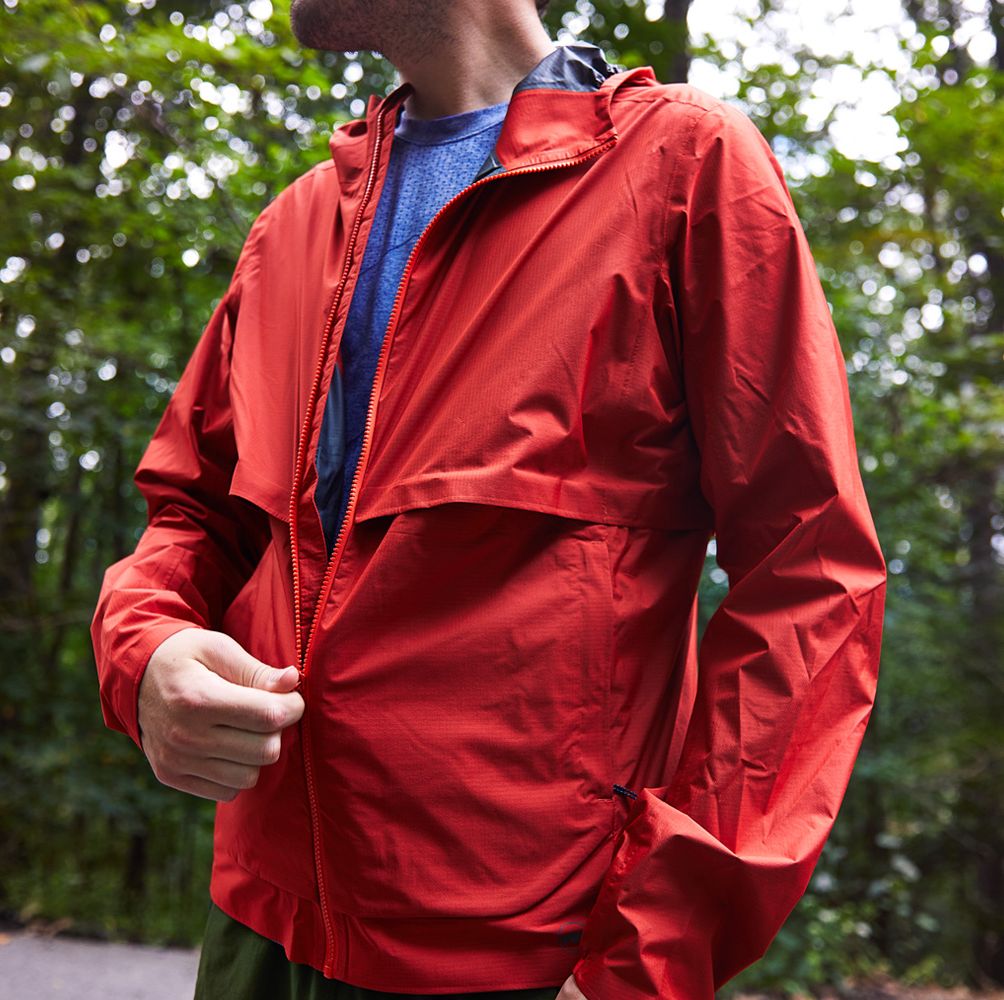
1. The Ultralight Race Companion: Inov8 Raceshell HZ
Inov8 Raceshell HZ Running Rain Jacket
This jacket is a marvel of minimalist design, built for runners who count every gram. It's often my go-to for races where I need mandatory waterproof gear but want to carry as little weight as possible. Its Pertex Shield fabric offers reliable waterproofing with decent breathability, and it packs down to an incredibly small size. The half-zip design saves weight and provides some ventilation.
- Pros: Extremely lightweight and packable, competitive price point for its performance, excellent for minimalist runners and races.
- Pros: Good waterproof performance for its weight class, efficient moisture management.
- Cons: Half-zip limits ventilation compared to full-zip, durability might be slightly less than heavier jackets due to thin fabric, fit can be quite slim.
- Cons: No pockets, which is great for weight but less convenient for carrying essentials.
2. The All-Rounder for Women: Rab Phantom Waterproof Pull-On Jacket - Women's
Rab Phantom Waterproof Pull-On Jacket - Women's
For female runners seeking an excellent balance of waterproofing, breathability, and features without excessive bulk, the Rab Phantom is a fantastic choice. Its 2.5-layer Pertex Shield fabric provides robust protection, and the design is thoughtfully tailored for a woman's fit. It's incredibly light and offers great freedom of movement. It's a reliable companion for varied rainy conditions.
- Pros: Outstanding waterproofing and breathability for its weight, excellent fit for women, highly packable and lightweight.
- Pros: Durable Pertex Shield fabric, comfortable against the skin, good hood design.
- Cons: Pull-on style might be less convenient for some than a full-zip, higher price point.
- Cons: Limited pocket options (usually one chest pocket).
3. The Commuter's Choice: On Running Weather Jacket
On Running Weather Jacket
While not explicitly called a "rain jacket," the On Running Weather Jacket offers impressive water-repellency and wind protection for urban runners or those encountering moderate rain. Its standout feature is its style and thoughtful design, making it perfect for commuting or light rainy days where you want to look good and stay protected. It uses a DWR-coated fabric that beads water exceptionally well.
- Pros: Stylish, highly wind-resistant, excellent water repellency for light to moderate rain, great for urban running and commuting.
- Pros: Very breathable, comfortable next-to-skin feel, clever pocket placement, highly packable into its own pocket.
- Cons: Not fully waterproof for heavy, sustained downpours, higher price tag.
- Cons: More water-repellent than truly waterproof, so might not be suitable for extreme conditions.
4. The Deep Winter Defender: GOREWEAR R7 GORE-TEX SHAKEDRY Jacket
GOREWEAR R7 GORE-TEX SHAKEDRY Jacket
When the conditions turn truly nasty—cold, driving rain, or even wet snow—the SHAKEDRY technology from Gorewear is a game-changer. This jacket epitomizes durable waterproofing and incredible breathability, especially for colder climates. The unique outer surface means water literally beads off and "shakes dry," preventing the jacket from wetting out. It's an investment, but one that pays off in extreme comfort and protection.
- Pros: Unbeatable durable waterproofing (SHAKEDRY technology), excellent breathability even in cold rain, incredibly lightweight for its performance.
- Pros: Shakes dry quickly, eliminating the cold, clammy feeling, highly packable despite robust protection.
- Cons: Premium price point, can feel a bit crinkly during movement, lacks the abrasion resistance for heavy backpack use.
- Cons: Minimalist feature set (e.g., usually one pocket), not designed for warmth, so requires good layering.
Each of these jackets brings something unique to the table, but they all share the fundamental goal of allowing you to enjoy your run, come rain or shine. When considering the best running rain jacket for you, weigh these options against your personal running style, the typical weather you face, and your budget.
Seasonal & Local Considerations for Rain Running
The quest for the best running rain jacket isn't a one-size-fits-all endeavor. What works brilliantly in a chilly autumn shower in New England might be entirely unsuitable for a humid tropical downpour. My experiences across different regions have underscored the importance of adapting your gear to both the season and local climate conditions. It's about optimizing for the specific challenges you'll face.
Spring and Autumn Showers: Mild but Persistent
During spring and autumn, rain often comes with milder temperatures but can be persistent. Here, breathability is key. You're less concerned about extreme cold but still need protection from steady rain. A lightweight, highly breathable waterproof jacket, possibly with pit zips, is ideal. The goal is to avoid overheating and getting clammy. I find myself reaching for jackets with excellent MVTR ratings during these seasons. Layering is also crucial; a light, moisture-wicking base layer underneath is often sufficient. Consider how these conditions might be similar to needing best golf rain gear but for higher output.
Summer Downpours: Humid and Warm
Summer rain presents a unique challenge: you need to stay dry from the outside without getting sweltering hot and soaked from the inside. Absolute waterproofing is still important, but paramount is maximum breathability and ventilation. Often, ultralight jackets with minimal features are the best running rain jacket choice here. They pack down small, can be stowed away quickly if the rain stops, and won't add unnecessary warmth. Sometimes, a high-quality water-resistant windbreaker with great ventilation (like some of the best lightweight waterproof jacket options) is enough if the rain isn't too heavy and the temperatures are truly warm.
I remember a summer run in coastal Georgia, where the humidity was almost 100%. A fully waterproof jacket, no matter how breathable, felt like too much. I opted for a highly water-resistant shell with huge back vents, and while I wasn't 100% dry, I was significantly more comfortable than if I'd worn a full membrane jacket that would have trapped all the heat.
Winter Rains: Cold, Wet, and Demanding
This is where the stakes are highest. Winter rain can quickly lead to hypothermia. Here, a robustly waterproof and windproof jacket is essential. While breathability is still important, a slightly less breathable but more protective and potentially insulated jacket might be appropriate, especially for slower-paced runs or very cold temperatures. Layering effectively becomes paramount. I often use a thermal base layer, a mid-layer for insulation, and then my best running rain jacket as the outer shell. You might even consider a women's insulated rain jacket if you live in a particularly frigid climate and tend to run at a more moderate pace.
For colder, driving rain, I pay close attention to the hood design, ensuring it's fully adjustable and offers maximum protection without impeding vision. A jacket with a slightly thicker denier fabric might offer better durability against abrasive elements like icy branches if you're hitting trails. When considering your best raincoat for men or women for these conditions, prioritize warmth alongside waterproof integrity.
Local Microclimates: The Unexpected Variable
Beyond broad seasonal changes, local microclimates can heavily influence your choice. Someone running in a city canyon might need different protection than someone on an exposed mountain ridge. For instance, running near a large body of water can mean more wind-driven rain, making windproofing a high priority, similar to what you'd consider for a travel rain jacket where versatility is key. Runners in desert regions might only experience sporadic, but intense, flash rains, requiring quick deployment and packability. Always consider the specifics of *your* environment when selecting your running rain jacket.
The key takeaway here is to be mindful. Don't just buy a jacket; buy the jacket that fits your weather. My advice is to have a versatile option, and then perhaps a more specialized one if you frequently encounter extreme conditions, much like I eventually accumulated a collection to tackle anything from a light mist to a full-blown blizzard.
Expert Insights & Ranger Advice
While my personal experiences have shaped much of my understanding, I've also found immense value in listening to seasoned experts, particularly those who spend their lives in the outdoors. National Park rangers, search and rescue professionals, and experienced trail guides often have invaluable insights into gear durability, performance in extreme conditions, and practical tips that elevate the usefulness of any piece of equipment, including the best running rain jacket.
Prioritize Durability for Backcountry Runs
One common piece of advice I've heard from rangers, especially those working in mountainous or heavily forested areas, is to consider durability alongside weight. While ultralight jackets are fantastic for road running or well-maintained trails, if your runs take you through dense brush, rocky scrambles, or off-trail sections, a jacket with a slightly higher denier fabric might be a wiser choice. "You don't want to be miles into the backcountry with a torn jacket when the weather turns," one ranger once told me. They often recommend materials that offer a good balance of tear resistance and packability, even if it adds a few extra grams. This might mean looking for a best raincoat that is robust rather than just minimalist.
Layering is Non-Negotiable
Every outdoor professional will emphasize the importance of layering, and this is especially true when wearing a running rain jacket. A rain jacket is your shell; it's not typically designed for insulation. Ranger advice always points to starting with a good moisture-wicking base layer (never cotton!), followed by an insulating mid-layer if temperatures warrant it, and then the rain jacket. This system allows you to adapt to changing conditions by adding or removing layers, while your rain jacket provides the essential barrier against external moisture and wind. They’ll tell you that even the best running rain jacket can't do its job if your inner layers are saturated.
Maintain Your DWR Coating
I've also picked up practical tips on gear maintenance. Many rangers and outdoor store specialists stress the importance of regularly washing and re-treating your DWR (Durable Water Repellent) coating. Over time, dirt, body oils, and abrasion can degrade the DWR, causing your jacket to "wet out" – meaning the outer fabric absorbs water, which then compromises breathability even if the membrane is still intact. They recommend specific technical washes and spray-on or wash-in re-proofers to restore the DWR. This simple act can significantly extend the life and performance of your best running rain jacket.
Be Prepared for the Unexpected
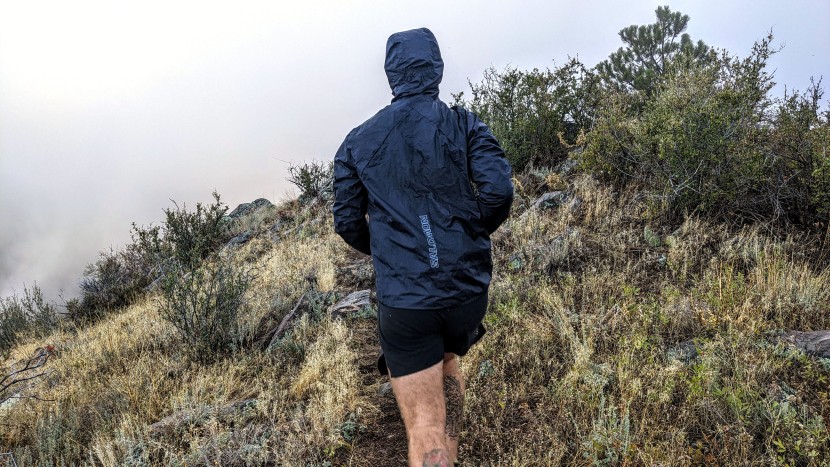
Beyond specific gear advice, a universal theme from experts is preparedness. Always check the forecast, but also be ready for it to change. Pack your rain jacket even if there’s only a small chance of rain, especially for longer runs or those in variable terrain. As one veteran trail runner put it, "It's better to carry it and not need it, than to need it and not have it." This mindset extends to other gear too, like ensuring your phone is in a waterproof pouch, or carrying extra hydration. The best golf rain pants for instance, share the same principle of preparedness; you wouldn't head out on the course without them if rain is a possibility.
Respect the Environment
Finally, there's always an underlying message of respect for the environment. Proper gear ensures your safety, which in turn helps prevent search and rescue situations. Also, choosing durable, long-lasting gear and maintaining it reduces waste, aligning with Leave No Trace principles. The advice from these outdoor professionals isn't just about gear; it's about fostering a deeper connection and responsibility towards our natural spaces, ensuring we're equipped to enjoy them responsibly, rain or shine. This holistic approach is what truly defines the pursuit of the best running rain jacket for a life of outdoor adventures.
What Other Runners Say: User Review Roundup
While my personal experience is a strong guide, I always find it insightful to see what other runners are saying. Real-world feedback from a diverse group of users on platforms like Amazon, Reddit, and Quora provides a broader perspective on the strengths and weaknesses of various running rain jackets. It helps to confirm patterns and highlight aspects I might not have encountered in my specific conditions. Here's a summary of common themes and specific feedback I’ve observed for top-rated running rain jackets:
I bought this for my ultra-marathon training in the PNW. It’s unbelievably light and packs down to nothing. I wore it for a 4-hour run in constant drizzle and some moderate rain, and I stayed bone dry. The breathability is impressive – I didn't feel like I was stewing in my own sweat. The only tiny drawback is that the hood drawstring can be a bit finicky with cold, wet fingers, but that's a minor complaint for how well it performs. Truly the best running rain jacket I've owned for racing.
Just wanted to share my thoughts on [Brand X Mid-Range Jacket]. I use it for my daily 10k runs, mostly city streets. It handles heavy rain showers easily, and I appreciate the reflective elements, which are great for early morning runs. The fit is athletic but still allows for a thin layer underneath. Some people complain about breathability, but for my pace (moderate) and the cool temps here in Michigan, it’s perfect. If you're hammering out speed work in warm rain, you might feel a bit clammy, but for steady-state, it's a solid choice. Great value for a truly waterproof jacket. Definitely a contender for the best running rain jacket in its price range.
Someone asked about the best waterproof jacket for high-output activities. For running, especially trail running where you need maximum protection and minimal weight, I swear by my GORE-TEX SHAKEDRY. Yes, it's expensive, but the way water just beads up and sheds is magical. You don't get that 'wet face' feeling on the fabric. Breathability is unmatched, which is critical for preventing internal sweat-out. It’s not for bushwhacking due to the delicate outer surface, but for pure running performance in the rain, it’s a game changer. If you can justify the cost, it's arguably the best running rain jacket on the market.
These reviews highlight several recurring themes: the importance of striking a balance between waterproofing and breathability, the impact of specific conditions (PNW drizzle vs. Michigan cold vs. high-output trail runs), and the trade-offs between price, features, and durability. While different jackets excel in different areas, the consensus points to a clear demand for lightweight, highly protective, and comfortable gear that genuinely enhances the rainy-day running experience.
The Upsides and Downsides of Running Rain Jackets
Like any specialized piece of gear, the best running rain jacket comes with its own set of advantages and disadvantages. Understanding these can help manage expectations and ensure you make a purchase that truly aligns with your running style and local climate.
The Pros: Embracing the Wet
- Superior Protection: The most obvious benefit is staying dry. A good rain jacket provides an impenetrable barrier against rain, wind, and even light snow, protecting your core from the elements.
- Enhanced Comfort: By keeping you dry, rain jackets prevent chafing, coldness from wet clothing, and the general misery of being soaked. This comfort translates to more enjoyable and longer runs.
- Improved Performance: When your body isn't fighting to stay warm and dry, it can allocate more energy to running, improving endurance and speed.
- Safety: Many running rain jackets include reflective elements, significantly increasing your visibility to motorists and cyclists in low-light, rainy conditions.
- Versatility: A well-chosen running rain jacket can often double as a windbreaker for dry, windy days, or even for other activities like hiking or cycling in mild conditions. This makes it a great investment, similar to how a North Face women's waterproof jacket might be versatile for various outdoor pursuits.
- Boosts Consistency: With reliable gear, you're less likely to skip runs due to bad weather, helping you maintain training consistency and reach your fitness goals.
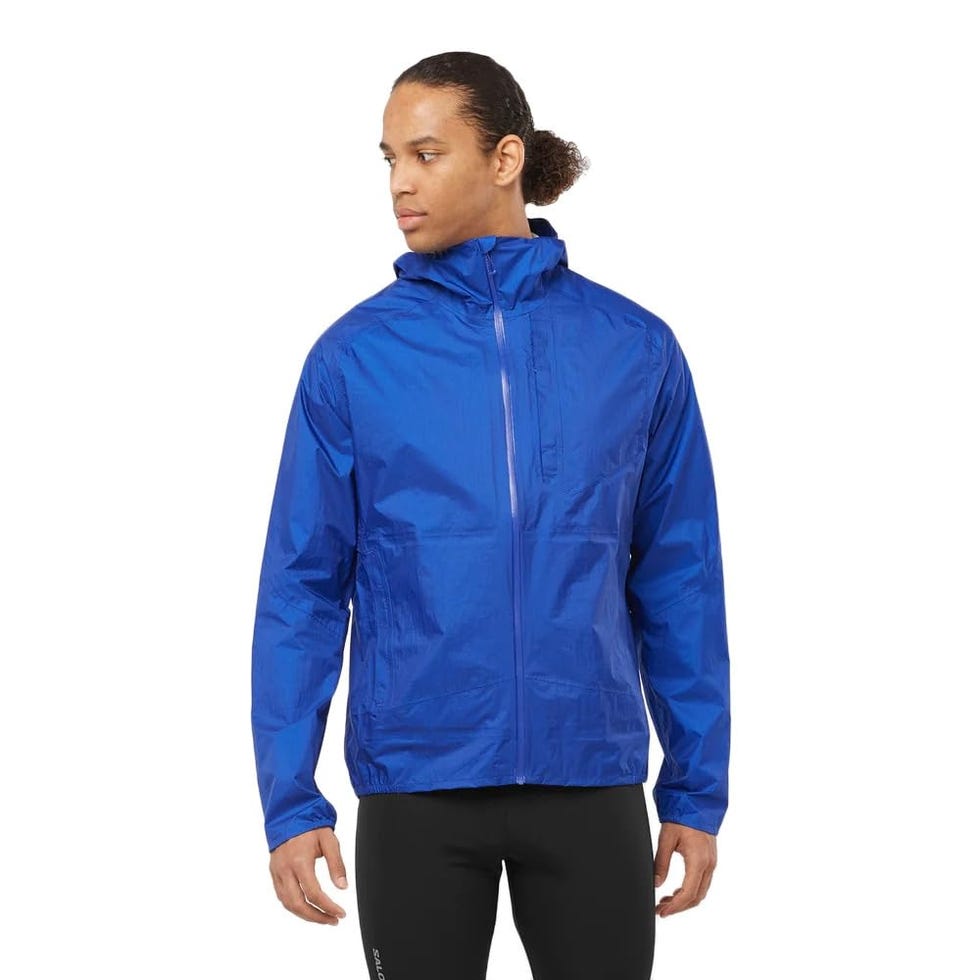
The Cons: The Trade-Offs
- Cost: High-performance running rain jackets, especially those with advanced waterproof-breathable membranes, can be a significant investment. This is often the biggest barrier for many runners.
- Breathability Limits: While modern jackets are incredibly breathable, no waterproof membrane can match the breathability of bare skin or a mesh shirt. In very warm or humid conditions, you might still experience some internal clamminess, especially during high-intensity efforts.
- Durability Concerns: Ultralight jackets, while fantastic for performance, often use thinner fabrics that are more susceptible to tears or punctures, especially on trails with abrasive surfaces or sharp branches.
- Noise: Some stiffer waterproof fabrics can be a bit "crinkly" or noisy during movement, which can be distracting for some runners, particularly on quiet trails.
- Maintenance: To maintain optimal performance, especially the DWR coating, rain jackets require specific washing and re-proofing treatments. Ignoring this can reduce their effectiveness over time.
- Bulk (for some): While many are highly packable, even the best running rain jacket adds a small amount of bulk or weight compared to running without any outer layer. For minimalist runners, this can be a psychological hurdle.
Ultimately, for me, the pros far outweigh the cons. The ability to consistently run outdoors, regardless of the weather, is invaluable. The initial investment might be higher, but the long-term benefits to your training, health, and mental well-being are immeasurable. It's about finding that sweet spot where the jacket supports your goals without hindering your enjoyment.
Lessons Learned from Countless Wet Miles
My journey through wet weather running has been filled with invaluable lessons, both about gear and about myself. It’s not just about owning the best running rain jacket; it’s about understanding how to use it, care for it, and integrate it into your running routine. These are the key takeaways I want to share:
1. Invest Wisely, Not Just Once
My biggest early mistake was buying cheap. A truly good running rain jacket is an investment, but it pays dividends in comfort, performance, and durability. Rather than buying multiple subpar jackets that quickly fail, save up for one high-quality piece. It's an investment in your consistency and enjoyment. You wouldn't skimp on your running shoes, so why on the gear that protects you from the elements? Think about it as acquiring essential gear, much like you'd look for the best rain pants for men to complete a full wet-weather kit.
2. Layering is an Art Form
The rain jacket is just one part of the equation. What you wear underneath is equally critical. I've learned to master layering: a good moisture-wicking base layer (merino wool or synthetic), possibly a light fleece or technical mid-layer if it's cold, and then the rain jacket. Avoid cotton at all costs when running in the rain; it absorbs moisture and will make you cold. Understanding how to layer effectively is perhaps the most important skill for a comfortable rainy run, transforming even a relatively basic rain jacket into a much more effective system.
3. DWR Maintenance is Not Optional
This was a hard lesson. I initially neglected re-treating my jackets, and their performance suffered noticeably. The DWR coating is crucial for breathability and comfort, even on fully waterproof jackets. When water stops beading and starts soaking into the outer fabric (wetting out), the jacket feels heavier, colder, and less breathable. Now, I make it a point to wash and re-proof my rain jackets regularly using specialized products. It makes a massive difference in extending their life and effectiveness. Don't let your otherwise best running rain jacket lose its magic simply because of poor maintenance.
4. Embrace the Conditions (Within Reason)
Once you have the right gear, a rainy run can be incredibly freeing. There's a certain satisfaction in splashing through puddles, feeling the fresh air, and knowing you're prepared. It builds mental toughness and resilience. However, there's a difference between embracing a challenge and being reckless. If there's lightning, extreme winds, or freezing rain, err on the side of caution. No run is worth serious injury or hypothermia. The goal is to safely enjoy the experience, and sometimes that means hitting the treadmill.
5. Comfort Over Absolute Dryness
This might sound counterintuitive, but I've learned that sometimes, being 100% dry from head to toe isn't the most comfortable state during a high-output activity like running in humid rain. There's a point where maximizing waterproofing can compromise breathability so much that you're just as wet from sweat as you would be from rain. For me, the sweet spot is finding a jacket that keeps my core dry and warm, prevents chafing, and manages internal moisture well. A little dampness on the arms or legs is often acceptable if it means greater comfort and less clamminess overall. This nuanced understanding is what helps me identify what truly qualifies as the best running rain jacket for different scenarios.
Running in the rain can be one of the most rewarding parts of your training. With the right jacket and the wisdom gained from experience, you'll not only endure the elements but truly thrive in them. So go ahead, don't let the weather dictate your run!